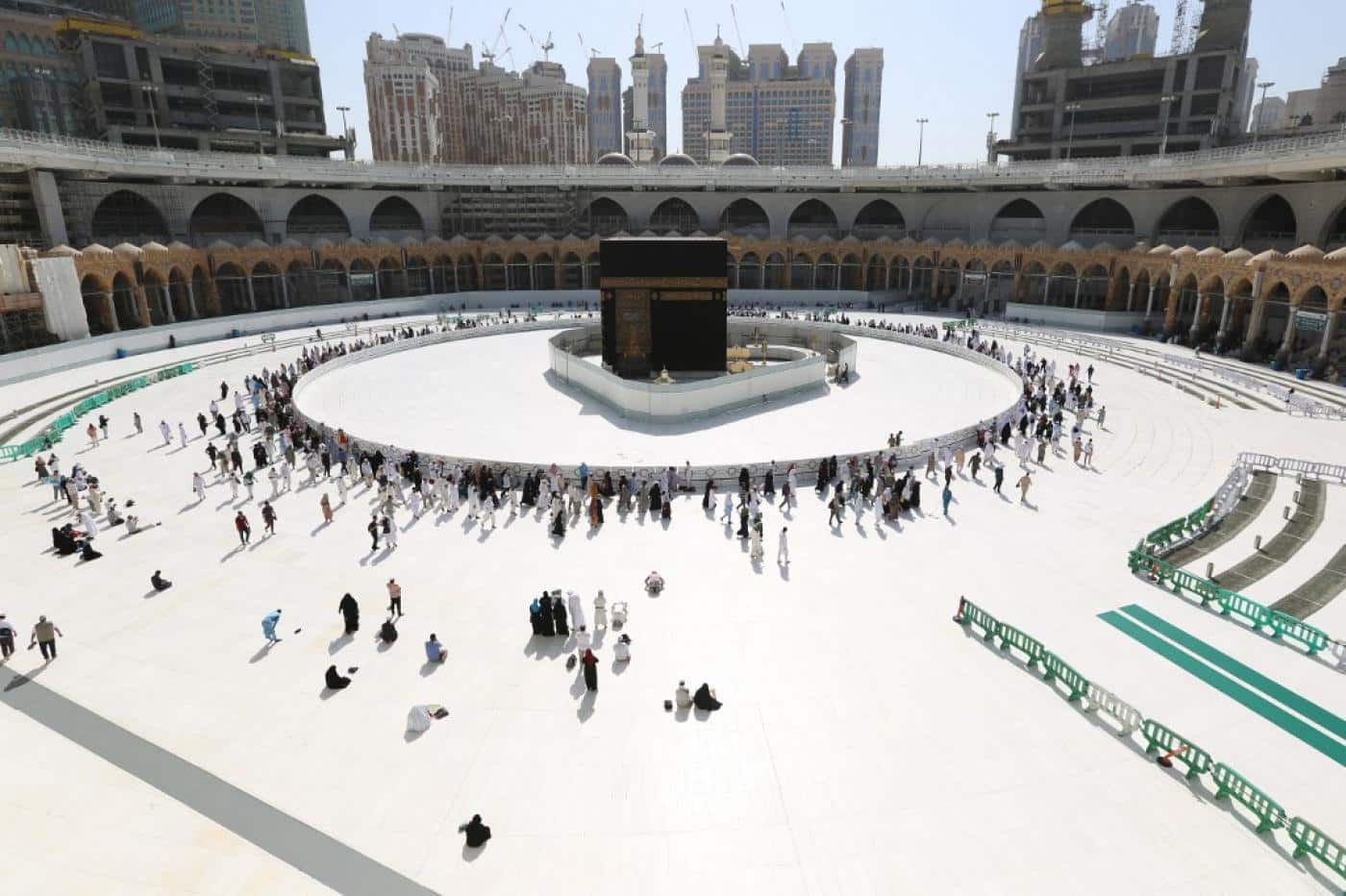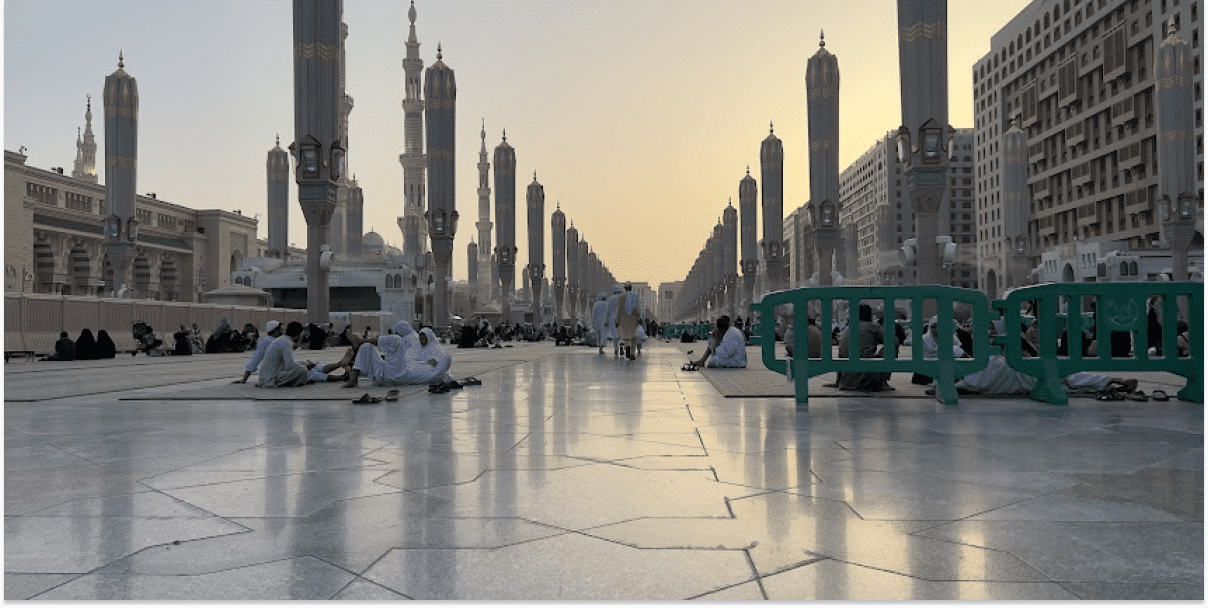
How many times has Hajj been cancelled?
Coronavirus could lead to the cancellation of Hajj for the first time since Saudi Arabia was created, and 2020 might not be the only year it gets skipped. On Tuesday, Saudi Arabia told pilgrims to stop preparing and not book travel because the coronavirus pandemic has become really serious. This has sparked lots of questions about what will happen next to such an important tradition. Anyone thinking about going needs to watch closely because this choice might turn everything upside down. Keep reading to find out why this matters more than expected.
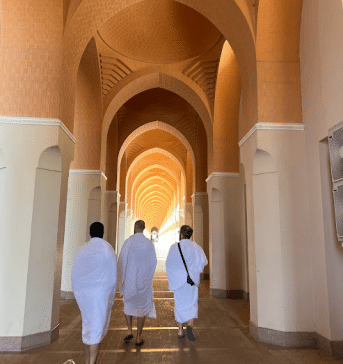 Though Hajj has been cancelled several times over the centuries, since the Kingdom of Saudi Arabia’s foundation in 1932 it has never missed a year, nor even during the Spanish flu pandemic of 1917-18 that killed millions of people worldwide. But if Saudi Arabia cancels 2020’s Hajj, it will be added to a list of almost 40 dramatic cancellations since the first in 629. Here are some of the most striking cancellations in history:
Times Hajj Stopped in history
865: Massacre on Arafat Mountain caused Hajj to ve closed
During his conflict with the Abbasid Caliphate based in Baghdad, Ismail bin Yousef, known as Al-Safak, launched an attack on the holy Arafat Mountain overlooking Mecca in 865, massacring pilgrims there. The raid forced Hajj to be cancelled.
930: Qarmatian attack cancelled Hajj
In 930, Abu Taher al-Janabi, the chief of the Qarmatians heterodox sect based in Bahrain, launched an attack on Mecca. Historical accounts say the Qarmatians killed 30,000 pilgrims in the holy city and dumped bodies in the sacred Zamzam well. They also looted the Grand Mosque and stole the Black Stone from its Kaaba, taking it to the island of Bahrain. Hajj was then suspended for a decade until the Black Stone was returned to Mecca.
983: Abbasid and Fatimid Caliphates
Politics, too, has disrupted Hajj. In 983 political disputes between the rulers of two caliphates – the Abbasids of Iraq and Syria and the Fatimids of Egypt – got in the way of Muslims travelling to Mecca for pilgrimage. It would be eight years until Hajj was held again, in 991.
1831: Plague
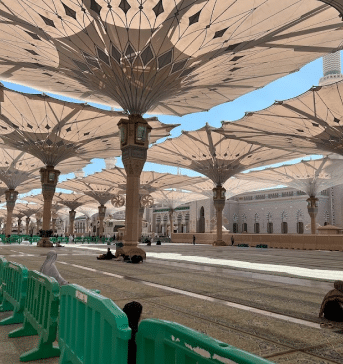 Not only conflicts and massacres have cancelled Hajj. A plague from India hit Mecca in 1831 and killed three-quarters of the pilgrims there, who had endured weeks of travel through dangerous and barren lands to perform Hajj.
1837-1858: Series of epidemics
In a span of almost two decades, Hajj was halted three times, leaving pilgrims unable to head to Mecca for a total of seven years.
In 1837, another plague hit the holy city, putting things on hold until 1840.
Then in 1846 a bout of cholera hit Mecca, killing more than 15,000 people, and plagued its inhabitants until 1850. Outbreaks returned in 1865 and 1883.
In 1858, another global cholera pandemic arrived in the city, prompting Egyptian pilgrims to run away en masse to Egypt’s Red Sea shores, where they were held in quarantine.
[poll id=”1059″]
Information in this article brought by Middle East Eye.
 2
2
 0
0
100% of readers found this article helpful. Did you?